

5 Wise Strategies for Handling Intense Competition at Work
In today’s fast-paced world, workplace competition is a big challenge. Teams face many issues like competing priorities. These can slow […]
In today’s fast-paced world, workplace competition is a big challenge. Teams face many issues like competing priorities. These can slow […]
In the last two decades, social media has reshaped the landscape of human interaction in ways we never could have imagined, When I think back to my childhood, I remember a time when communication relied heavily on landline phones and face-to-face conversations, Fast forward to today, and I can connect with friends, family, and even strangers across the globe with just a few taps on my smartphone, It’s incredible, right? But here’s the question that keeps me pondering: has this digital revolution truly brought us closer together, or has it increased our sense of isolation?
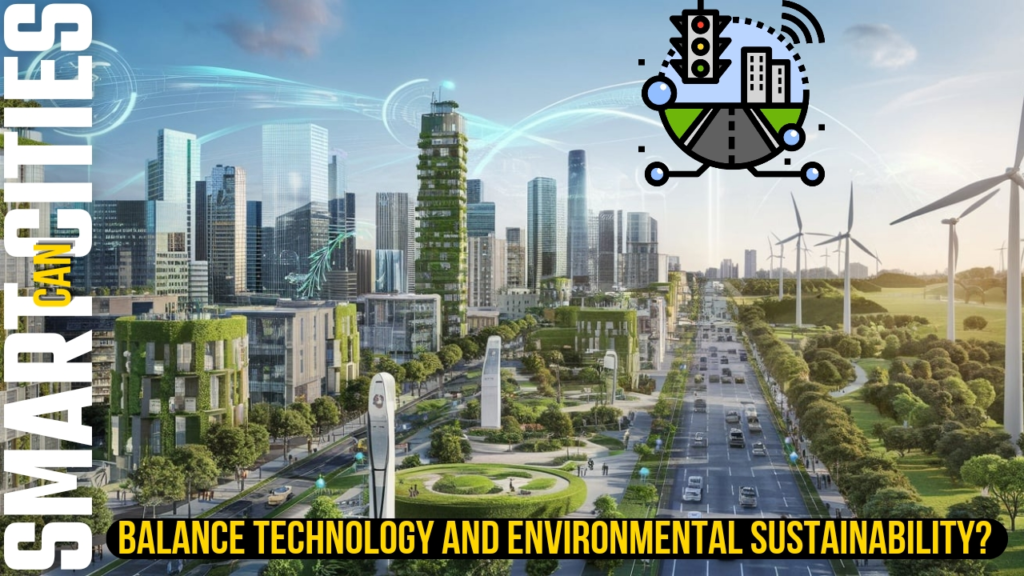
As urban populations continue to soar, cities around the globe are grappling with the challenges of sustainability, efficiency, and quality of life. Enter the concept of smart cities, a buzzword that’s been making waves in discussions about the future of urban living. But what does it really mean for a city to be “smart”? And more importantly, can these cities strike a balance between harnessing technology and protecting our environment? This article will explore the multifaceted nature of smart cities, their potential to improve urban living, and the environmental implications of such developments. We’ll delve into real-world examples, the technology behind smart cities, and the challenges they face in creating a sustainable urban ecosystem.